Best ISO 42001 auditors for SMEs
The same eight bodies, re-weighted for an established business adding ISO 42001 to what it already holds: price, reviews and a UK accreditation your customers recognise, with the audit folded into the visits you already have.
Our assessment criteria
The criteria are weighted for an established SME. Accreditation remains the largest factor, followed by responsiveness and price. Integrated audits also carry more weight than they do for startups, which matters if you already hold ISO 27001 or ISO 9001.
Accreditations
We check which accreditations the body holds and who granted them. ISO 42001 accreditation from UKAS or another IAF signatory carries the most weight. Accreditation for related standards counts for less. We use the accreditation body's register, rather than the certification body's own claims.
Reviews
We assess what clients say about the audit itself. Reviews are read and weighted for relevance before they count, then assessed by rating, volume and recency.
Pricing
We look at whether the body publishes certification prices, explains how it sets audit days according to AI risk, and provides enough information to judge value where prices are available.
Responsiveness
We assess how promptly the body responds and how quickly it can start once you commit. Fast communication and an easy process usually matter more than a headline promise about certificate turnaround.
Leverage of software/tooling
We assess whether the body can work with the software, platforms and tools you already use, as well as the systems it runs itself. Stronger evidence comes from auditors who can use existing records instead of asking you to recreate them in spreadsheets or another format.
Auditor reputation
We assess what the body can show publicly: its experience certifying management systems, the ISO 42001 certificates it has actually issued, and whether it identifies the people who may conduct your audit.
Integrated audits
We assess whether the body can incorporate ISO 42001 into a management system you already run. Most buyers hold one existing standard, so this criterion may have little effect on their choice. For organisations certified to ISO 27001 or ISO 9001, an integrated audit can avoid maintaining a separate process and may be the deciding factor.
ISO 42001 auditors compared
Every body marked against the 7 scoring criteria. For full evidence behind the scoring, visit the methodology page.
| # | Total/10 | Certification body | Accreditations22% | Reviews13% | Pricing16% | Responsiveness17% | Leverage of software/tooling14% | Auditor reputation11% | Integrated audits7% |
|---|---|---|---|---|---|---|---|---|---|
| 1 | 7.7 |  |
4 | 10 | 9 | 10 | 9 | 6 | 6 |
| 2 | 7.6 |  |
6 | 8 | 6 | 8 | 9 | 9 | 10 |
| 3 | 6.9 |  |
10 | 4 | 4 | 5 | 7 | 10 | 9 |
| 4 | 6.7 |  |
9 | 7 | 5 | 6 | 5 | 7 | 8 |
| 5 | 6.4 |  |
8 | 8 | 4 | 5 | 5 | 7 | 9 |
| 6 | 5.9 |  |
9 | 0 | 6 | 6 | 6 | 5 | 8 |
| 7 | 5.4 |  |
9 | 0 | 4 | 5 | 6 | 5 | 8 |
| 8 | 5.2 |  |
6 | 3 | 4 | 5 | 6 | 5 | 8 |
Detailed analysis of top ISO 42001 auditors
One entry for each body: a verdict followed by its score for every criterion. Each scored claim carries a numbered source reference, listed at the end of the entry.
1

Tempo Audits
Visit website
7.7/10
Tempo Audits
Visit website7.7 overall, first place. Tempo leads on price, responsiveness and reviews. It also shares the highest score for software and tooling.
Read more
Its accreditation score is 4, the largest weakness under this methodology. UKAS accredits Tempo for ISO 27001 and SOC 2, not ISO 42001. That gap separates it from the UKAS-accredited bodies and could change if its ISO 42001 accreditation progresses.
What they certify: ISO 27001 certification, UKAS accredited · AICPA SOC 2 assurance · ISO 42001 certification · All three audited together.
What to watch for: the accreditation gap. If your customer requires a UKAS-accredited ISO 42001 certificate, a certificate issued outside that scope will not meet the requirement. Ask for the accreditation schedule in writing, check which standards it covers, and establish what would happen to your certificate if Tempo later gains ISO 42001 accreditation.
UKAS accredits Tempo for ISO/IEC 27001 [1]. Tempo is included in the second UKAS tranche for ISO/IEC 42001 and, according to its public confirmations, expects accreditation in late 2026 [3].
Read more
The score follows the standard named on the accreditation schedule, rather than the standard being sold. Tempo scores 4 rather than 0 because its UKAS relationship, impartiality assessment and audited processes are already in place.
(9.5 under the review method). We read all 74 reviews. 67 concern audits, including one ISO 42001 audit, and all received five stars. 34 mention ISO 27001, and every relevant review dates from the past twelve months [4].
Read more
Reviewers repeatedly mention speed and clear communication. Tempo has not replied to a review, although the absence of low ratings means it has not needed to respond to criticism.
Tempo is the only body in this study that publishes certification prices. Its ranges are £3,500 to £20,000 for initial certification, £1,600 to £9,000 per year for surveillance, and £3,500 to £14,000 for recertification [2].
Read more
It identifies the main cost drivers, separates included and excluded work, and says that roughly 70 to 75 per cent of quoted audit days involve time with an auditor. The other seven bodies quote on enquiry, so buyers cannot compare their prices without opening a sales conversation.
Tempo also publishes the factors it uses when scoping an audit: headcount, the AI roles in scope, site numbers, sector risk and the AI systems covered. That gives buyers more visibility into how risk affects the work.
The score stops at 9 rather than 10 because the final audit-day count still comes from an enquiry.
Tempo presents speed as a reason for its existence, and client statements support that position. Reviews describe an audit that "moved really fast" to meet a deadline, another that "dovetailed so smoothly the impact was barely noticeable", and a direct comparison that called Tempo faster than every other firm approached.
Read more
Tempo publishes no booking lead time, so the score relies on client evidence rather than a formal commitment. Every account we found described it as the fastest body in this study, and no other body came close on this criterion.
Tempo focuses on software, SaaS and AI companies rather than treating them as a new sector. It works within the tools its clients already use and publishes material on ISO/IEC 42006 audit methodology, rather than repeating the standard's contents.
Read more
The company says it integrates with Vanta, Drata and Secureframe through APIs to take in continuous evidence. That can reduce the manual document collection an audit would otherwise require.
No other certification body in this study is built specifically around software and AI companies. If your AI is part of a product, this criterion deserves close attention.
Tempo has the shortest record in the study. Founded in 2022, it has not yet issued an accredited ISO 42001 certificate and has published no named AI case study.
Read more
It has built a visible public presence, led by its founder on LinkedIn and its own website. It also identifies the auditor who will conduct the work, with clients naming the same auditor across an engagement. Review evidence is scored separately, so it is not counted again here.
Tempo focuses on ISO 27001, SOC 2 and ISO 42001, the combination most software companies in this market are likely to consider.
Read more
Its narrower accreditation and standard range limits the breadth of integrated work it can offer compared with the larger bodies in this study.
Reporting, not scored
"Less jargon, more clarity" is Tempo's stated position. Client statements support it, including one from someone who had worked with many auditors and another who said the process was explained without confusion.
The evidence points to clear communication as one of Tempo's practical strengths.
2

Schellman
Visit website
7.6/10
Schellman
Visit website7.6 overall, second place. Schellman has the longest ISO 42001 record in this study. Its accreditation is from ANAB rather than UKAS, which matters on a UK-focused list.
Read more
ANAB accredited Schellman to certify ISO 42001 in September 2024, eighteen months before UKAS granted its first accreditation for the standard. The other bodies in this study received their relevant accreditation in 2026.
Schellman scores 6 on accreditation for the same reason Intertek does: ANAB is an IAF signatory, although UK procurement teams may specifically request UKAS. On a global comparison, it would rank closer to the top.
What they certify: ISO/IEC 42001 and ISO/IEC 27001 · SOC 1, SOC 2 and SOC 3 · PCI DSS, FedRAMP, HITRUST · AI red teaming.
What to watch for: UK or EU customers whose procurement requirements name UKAS may ask you to explain the ANAB certificate and its IAF recognition. Check whether UKAS accreditation has since been granted. If Schellman already provides your SOC 2, confirm that AI specialists will conduct the ISO 42001 audit rather than assuming the same team will handle both.
ANAB accredited Schellman as the first certification body in the world for ISO/IEC 42001, in September 2024 [1].
Read more
Schellman was also named in the UKAS first tranche, although the grant remains unconfirmed [3].
ANAB is an IAF signatory, so certificates issued under that accreditation are internationally recognised. The score is 6 rather than 9 because it reflects the UK buyer's perspective. Procurement teams that ask for UKAS by name may question the certificate. Intertek receives the same score for its JAS-ANZ accreditation.
(7.8 under the review method). Schellman has 33 reviews on Gartner Peer Insights, with a 5.0 rating. The profile covers compliance and attestation services, and the newest review dates from August 2025 [5].
Read more
Gartner blocks automated reading, so we read the profile by hand. We could not assess each review line by line for audit relevance. Recency is the main factor keeping Schellman below Tempo.
Schellman publishes no price list. Its own literature describes a fixed-fee model, which gives buyers some certainty about the cost structure even without a figure.
Read more
Its work covers global and North American IT compliance and attestation, with technical scopes often combined with SOC 2. That specialist offer appears to place its pricing towards the higher end of this study, although buyers must request a quote to establish the actual cost.
Schellman's reputation for meeting reporting deadlines comes largely from SOC 2 work, where deadlines are contractual.
Read more
Its reported 90 per cent client retention rate over five years is consistent with a firm that delivers reliably.
No published booking lead time is available, which keeps the score below 9.
Schellman's client base includes cloud, data centre, fintech and SaaS businesses. It also provides AI red teaming, so its AI specialists work with adversarial testing as well as certification.
Read more
Schellman is the only body in this study with published material on lessons from real ISO 42001 audits, backed by two years of work against the standard. Only Tempo scores higher.
Schellman was founded in 2002 and gained ISO 42001 accreditation eighteen months before any UK body. It therefore has more completed ISO 42001 work behind it than any other body in this study.
Read more
Three of the seventeen publicly named certificates are Schellman's own, including Amazon Web Services. It also publishes named practitioners writing about real ISO 42001 engagements, rather than only explaining the standard.
Schellman has the strongest integrated offer in this study. ANAB accredits it for ISO/IEC 42001, ISO/IEC 27001, ISO/IEC 27701, ISO/IEC 20000-1, ISO 9001 and ISO 22301.
Read more
UKAS also accredits it for ISO/IEC 27001.
The wider offer includes SOC 1, SOC 2, SOC 3, PCI DSS, FedRAMP and HITRUST. A company already buying SOC 2 can therefore discuss its AI certification with the same firm and within the same wider compliance programme.
Reporting, not scored
Clear, practitioner-focused writing aimed at compliance and audit teams.
3

BSI Assurance UK
Visit website
6.9/10
BSI Assurance UK
Visit website6.9 overall, third place. BSI offers the strongest accreditation and auditor-reputation scores in the study, including 10 on accreditation.
Read more
Those credentials come with weaker scores for price and responsiveness, including 4 on pricing and 5 on responsiveness, which place it third for an SME buyer.
For a certificate that must pass an enterprise procurement review, BSI is a sensible starting point. Buyers who need a clear price before opening discussions, or who have a tight deadline, should compare the alternatives.
What they certify: ISO/IEC 42001 certification · Pre-certification assessment, sold separately · ISO/IEC 27001 and ISO 9001 alongside it · ISO 42001 training, and the standard itself.
What to watch for: BSI publishes no certification prices, so an enquiry is required. Its pre-certification assessment is also separate from the audit. Ask for the named auditor and their relevant experience. BSI's role in developing the standard does not guarantee that the same people will conduct your engagement.
BSI is the only body in this study with three accreditations for ISO/IEC 42001: UKAS, RvA in the Netherlands and ANAB in the United States [2].
Read more
It was the first certification body in the world to gain UKAS accreditation for ISO/IEC 42001 [1].
That combination can support UK, EU and US procurement without the buyer having to explain a single accreditation route. It is the strongest result on this criterion, which carries 20 per cent.
(4.4 under the review method). BSI has 29 Trustpilot reviews. 26 received one or two stars, and none received a reply [5].
Read more
Eleven reviews concern certification audits and average 1.45 stars. They include complaints about an audit report that was never sent and extra audit days announced nine days before a certificate expired. The remaining reviews concern the shop, invoices, standards documents and training. Trustpilot categorises the profile under Money & Insurance.
BSI publishes no prices, ranges or audit-day guidance on its ISO 42001 pages. Buyers must request every figure [3].
Read more
That makes it difficult to compare BSI with other bodies before opening a sales conversation. The score remains above zero because BSI publishes substantial free guidance on ISO 42001, so buyers can prepare an informed enquiry.
BSI publishes no booking lead time or turnaround commitment. Its size and full audit calendar suggest a more formal process, although we found no evidence about delivery for a specific audit.
That lack of evidence places it at the midpoint rather than below it.
BSI has substantial resources and proprietary portals such as BSI Connect. Its audit model remains highly standardised, with processes that appear less adapted to continuous compliance tooling than those of more specialist technology-focused bodies.
Read more
That may suit an AI system inside a regulated product. A software company shipping weekly may want to ask more questions about how BSI will use its live systems and evidence.
BSI has the longest management-systems record in this study and the strongest public evidence on ISO 42001 certificates.
Read more
Its named and dated examples include KPMG Australia, the first organisation certified globally through BSI, NUWAVE, the first US body certified by BSI in May 2026, Darktrace and Miro.
No other body in this study can point to a comparable public record on ISO 42001.
BSI holds UKAS accreditation across a broad range of standards, far more than ISO 9001, ISO 27001 and ISO 42001, alongside its RvA and ANAB ISO/IEC 42001 accreditations.
Read more
That gives it the range to combine ISO 42001 with most management systems an established organisation already holds.
It scores below Schellman because it does not offer SOC 2.
Reporting, not scored
BSI publishes thorough material in formal standards language. The information is accurate, although readers who are new to ISO certification will need to work harder to use it.
4

Alcumus ISOQAR
Visit website
6.7/10
Alcumus ISOQAR
Visit website6.7 overall, fourth place. Alcumus ISOQAR is a mid-market all-rounder. It names the people involved in ISO 42001 work and offers separate gap analyses against the clauses and Annex A controls.
Read more
Its UKAS accreditation covers a broad range of management systems, so it can support the combined audit many established SMEs will want. Public information is thin on the practical details, including price, lead time and the method for calculating a combined audit.
What they certify: ISO/IEC 42001:2023 certification, UKAS accredited · Gap analysis against the clauses · Gap analysis against the Annex A controls.
What to watch for: ISOQAR publishes no method for scoping a combined audit. If you already hold ISO 27001, establish the audit-day count and any saving before committing. No prices or accreditation date appear on the page. The gap analysis is a separate purchase from certification because a firm that prepares you cannot audit you.
ISOQAR's website states: "we are now UKAS accredited for ISO/IEC 42001" [1]. UKAS names Alcumus ISOQAR Limited in its first tranche [2].
Read more
The score is 9, matching NQA, because both hold one relevant accreditation, rather than BSI's three. ISOQAR has not published a grant date. We have asked for confirmation.
(6.6 under the review method). ISOQAR has 26 reviews on Reviews.io, with a 4.4 rating. Twelve concern training courses, and four concern audits.
Read more
Three of those four audit reviews received five stars [4].
The only review in this study that names ISO 42001 concerns a one-star ISO 42001 lead-auditor course, rather than a certification audit. We found no audit review from the past year.
ISOQAR publishes no prices and asks buyers to request a quote. Its two separately described gap-analysis products give buyers a clearer view of the pre-audit work than most bodies provide.
Read more
Separating clause conformity from control selection reflects the two areas addressed by ISO 42001 clause 6.1.3. That structure suggests a pre-audit approach built around the standard rather than a generic checklist.
The evidence supports an upper mid-market position, although no published figures allow a direct price comparison.
ISOQAR publishes no lead time or turnaround and has no particular public reputation for moving quickly.
Read more
The score is an inference from its mid-market position rather than a documented commitment or client evidence. The entry therefore remains at 6.
ISOQAR uses customer portals to manage engagements, but its published approach appears closer to traditional document review than to deep API or compliance-software integration.
Read more
That describes the evidence available, rather than audit quality. If your AI is part of a product, ask how the auditors will use your existing systems and evidence.
ISOQAR has held UKAS accreditation since February 1993. It is the only body in this study with a published ISO 42001 case study that names both the client and the person who conducted the work.
Read more
It also names three ISO 42001 people publicly. Their individual credentials do not appear alongside their names, which keeps the score below 8.
ISOQAR holds UKAS accreditation for ISO 9001, ISO 14001, ISO 22000, ISO 22301, ISO/IEC 27001, ISO 45001, ISO 50001 and ISO 55001.
Read more
That covers the ISO 27001 combination many established SMEs will consider.
The score falls short of the top because ISOQAR publishes no method for calculating a combined audit and offers no SOC 2 service.
Reporting, not scored
ISOQAR publishes clear, practical material for organisations preparing for certification, including a free responsible AI guide. Its writing is easier to use than the standards-led material from some larger bodies, although NQA is clearer still.
5

LRQA
Visit website
6.4/10
LRQA
Visit website6.4 overall, fifth place. LRQA is a traditional UK certification body with a long management-systems history.
Read more
It was named in the UKAS first tranche and reported as accredited by UKAS in February 2026. Its position in the table reflects the limited public information beyond accreditation: no prices, lead times or clear evidence of a fast process.
What they certify: ISO/IEC 42001 certification, in two phases · Optional gap analysis with an auditor beforehand · Integrated audits across several management systems · Training: one-day introduction, internal auditor, lead auditor conversion.
What to watch for: LRQA publishes no prices, lead times, sector case studies or auditor credentials. Ask for the proposed audit team, relevant experience and the method used to scope an integrated audit.
UKAS names LRQA Limited in its first tranche [1]. Third-party reporting says UKAS granted accreditation in February 2026, but the grant has not been confirmed against a register.
Read more
LRQA is a long-established UK certification body with the accreditation a UK buyer is likely to request.
(7.7 under the review method). LRQA has 323 Trustpilot reviews with a 4.9 rating, but almost none concern audits.
Read more
Of the newest 200 reviews, 171 are in Dutch and 190 concern training courses [4].
Seven reviews concern an audit and average 3.86 stars. One is in English. LRQA is the only body in this study that has replied to a review. The picture that comes through is an old-school, traditional UKAS-accredited image.
LRQA publishes no prices, ranges or audit-day guidance. Buyers must request the information before they can size the purchase.
Read more
Its offer appears suited to large, multi-entity groups and complex supply chains. The scope and day count will need to be established through an enquiry.
LRQA publishes no lead time. It describes a two-phase audit but gives no timescale for either phase.
Read more
The public evidence does not establish how quickly a particular engagement can begin or finish.
LRQA has no clear public reputation for using a client's existing software or compliance tools during an audit.
Read more
Its published material also says little about cloud infrastructure or model development.
The experience may depend heavily on the auditor assigned, rather than on a technology-led audit model built into the wider business.
LRQA has certified management systems since 1985. It can also point to Emirates Health Services, among the first organisations worldwide to certify to ISO 42001, in April 2024.
Read more
The long institutional record supports the score, although the public evidence on the assigned auditors remains limited.
LRQA offers integrated audits across several management systems. Its training ladder also supports the internal capability needed to maintain a combined management system, with courses for introduction, internal auditors and lead auditor conversion.
Reporting, not scored
Clear enough and conventional.
6

NQA Certification
Visit website
5.9/10
NQA Certification
Visit website5.9 overall, sixth place. NQA offers a credible upper mid-market option. Its public review evidence is the main problem: we found no review profile, giving it a zero on that criterion.
Read more
That gap costs more than any other single weakness in the study.
The case for NQA is a UKAS certificate from a mid-market body. The case against it is the amount a buyer must establish directly, including price, timing, auditors and AI expertise.
What they certify: ISO/IEC 42001 certification, UKAS accredited · The standard management-system set · Integrated audits.
What to watch for: NQA's ISO 42001 page blocks automated access, so part of this entry relies on third-party reporting. Confirm the accreditation date directly. Ask for the price, audit-day count and rate separately. Also ask whether AI scope will be audited by AI specialists or generalists.
UKAS granted NQA accreditation for ISO/IEC 42001 in January 2026 [1]. UKAS also names NQA Certification in its first tranche [2].
Read more
The score is 9 rather than 10 because NQA holds one relevant accreditation, while BSI holds three. For a UK-only buyer that difference may have little practical effect. It matters more when customers operate in the EU or United States.
We found no review profile for NQA on Trustpilot, Reviews.io or Gartner.
Read more
That is a finding about NQA's public evidence, not a judgement on audit quality. A buyer cannot assess reviews that are not available, so the methodology records a zero.
NQA publishes no prices. Its process material gives more detail about what certification involves than some larger bodies, so buyers can approach an enquiry with a clearer idea of the work.
Read more
No published figures support a direct value comparison. The price, audit-day count and inclusions must come from the quote.
NQA publishes no lead time. The score sits above the largest bodies because a mid-market provider may have more calendar flexibility.
Read more
That conclusion comes from the organisation's scale rather than evidence about NQA's actual scheduling. It is therefore an inference, not a published commitment, which is why it is a 6 and not higher.
NQA has experience with remote-first and cloud-hosted systems and says it can accept evidence from automated compliance dashboards rather than requiring paper-based records.
Read more
We could not establish whether AI scope is audited by dedicated AI specialists or generalists working to a newer standard. We have asked.
NQA was formed in 1988 and has certified management systems since then. UKAS granted its ISO 42001 accreditation in January 2026, but no certificate issued by NQA has been publicly named.
Read more
There is no published AI case study, named auditor or auditor credential to check. The management-systems history is established. The ISO 42001 record remains difficult to verify from public material.
NQA offers integrated audits across its management-system range, including ISO 27001, which covers the combination many established SMEs will consider.
Read more
It offers no SOC 2 and publishes no method for calculating a combined audit-day count.
Reporting, not scored
NQA writes about ISO 42001 for organisations buying certification rather than for auditors. Its explanations remain accessible without stripping out the technical detail.
That makes its published communication the second clearest in this study after Tempo.
7

TÜV UK
Visit website
5.4/10
TÜV UK
Visit website5.4 overall, seventh place. TÜV UK is the UK arm of the German heritage certification brand TÜV.
Read more
The main practical risk is identifying the correct legal entity. Three unrelated companies trade under the TÜV name, and they do not share accreditations.
What they certify: ISO/IEC 42001 certification, UKAS and RvA accredited · A broad management-system and product-safety portfolio · Integrated audits.
What to watch for: TÜV SÜD sells ISO 42001 certification but is a separate business. TÜV Rheinland is another. Confirm the legal entity on your quote and read the accreditation schedule rather than relying on a logo. TÜV UK Limited is the entity named in the UKAS programme. TÜV UK publishes no price or timing information, so establish both during the enquiry.
TÜV UK is the UK arm of TÜV NORD, which holds UKAS and RvA accreditation for ISO/IEC 42001 [1]. UKAS names TÜV UK Limited in its first tranche [3].
Read more
The two accreditations cover the UK and EU markets. The score is 9 rather than 10 because no US accreditation is included.
We found no review profile for TÜV UK. The TÜV NORD group profile contains one review about India from 2022, while the German profile concerns vehicle inspection.
Read more
There is no readable review evidence for a UK buyer choosing an ISO 42001 audit. That produces a zero under this criterion and says nothing about the quality of TÜV UK's audits.
TÜV UK publishes no information about price, audit days or inclusions. It also provides less free ISO 42001 guidance than BSI, so buyers have less information before requesting a quote.
Read more
No public figures support a direct value comparison. The day count and rate must be established through the enquiry.
TÜV UK publishes no lead time or turnaround and provides no timescale information in its ISO 42001 material.
Read more
The public record does not show how quickly it can schedule or complete a particular audit.
TÜV UK provides no strong public evidence of working inside a client's existing tools during an audit. Its assessment background in physical and regulated systems may suit AI embedded in industrial or safety-critical products.
Read more
A software company delivering a model as a service should ask how the audit team will work with its development, deployment and compliance systems.
TÜV has a strong heritage and high name recognition, with the group dating from 1869. One ISO 42001 certificate, for Mentech Innovation, can be traced to TÜV UK, although we could not confirm its date.
Read more
TÜV UK publishes no named auditors, credentials or AI case study. TÜV SÜD is a separate company, and its certificates do not belong to TÜV UK.
TÜV UK's broad portfolio supports combined audits in principle, including ISO 27001 and ISO 9001.
Read more
It publishes no method for calculating a combined audit-day count and offers no SOC 2.
Reporting, not scored
TÜV UK's material uses standards and engineering language. That may suit its traditional client base, although a software team new to ISO certification will need to work through more specialist terminology.
8

Intertek Certification
Visit website
5.2/10
Intertek Certification
Visit website5.2 overall, eighth place. Intertek is properly accredited to certify ISO 42001, although its accreditation comes from JAS-ANZ rather than UKAS.
Read more
JAS-ANZ granted the accreditation in 2025, and its IAF membership means the certificate is internationally recognised. On this UK-focused list, the accreditation scores 6 rather than 9 because UK procurement teams may ask for UKAS by name. On a global list, Intertek would rank higher.
What they certify: ISO/IEC 42001 certification, JAS-ANZ accredited · A broad testing, inspection and certification portfolio · ISO 42001 AI Foundation training course, UK.
What to watch for: if a customer specifically requires UKAS, a JAS-ANZ certificate may not satisfy its procurement wording. Ask whether UKAS accreditation has since been granted and what would happen to a JAS-ANZ certificate if it is. Businesses with a strong Asia-Pacific footprint may place greater value on JAS-ANZ recognition.
JAS-ANZ accredited Intertek to certify ISO/IEC 42001:2023 globally. Intertek announced the accreditation in 2025 [1], before the first UK grants.
Read more
UKAS names Intertek Certification Ltd in its first tranche, although the grant remains unconfirmed [2].
JAS-ANZ is an IAF signatory, which supports international recognition and portability. The score is 6 and matches Schellman's ANAB accreditation because both are recognised outside the UK, while neither is the accreditation UK procurement teams usually name.
(2.5 under the review method). Intertek has an unclaimed Trustpilot profile with 17 reviews. 15 received one or two stars, and none received a reply [4].
Read more
Two reviews concern certification, both with one star. The newer dates from January 2025. The others concern calls and emails across the wider testing group, so this profile does not measure the UK certification arm alone.
Intertek publishes no information about ISO 42001 prices or audit days.
Read more
Its global testing and certification offer may support combined work for an organisation already buying product testing, laboratory assurance or supply-chain audits. As a global FTSE 100 business, it may command enterprise-level day rates, but it may also discount or package attractively if you consolidate ISO 27001 alongside existing product testing, laboratory assurance or supply-chain audits. The price and any package saving must come from an individual quote.
Intertek publishes no lead time or turnaround.
We found no evidence to place it above or below the midpoint.
Intertek is a large inspection and testing organisation with deep roots in physical engineering, manufacturing and supply chains.
Read more
Its published approach relies on standard remote-audit tools and traditional human-led verification.
Intertek also runs an ISO 42001 AI Foundation training course in the UK, which shows investment in building capability around the standard.
Intertek has strong recognition in global supply chains, manufacturing and international corporate markets. Its public ISO 42001 record is limited, however.
Read more
JAS-ANZ accredited it in 2025, but no certificate it has issued is publicly named.
There is no published AI case study, named auditor or auditor credential to check.
Intertek's broad testing, inspection and certification portfolio could support combined audits for organisations already using several services.
Read more
It publishes no method for calculating a combined audit-day count and offers no SOC 2.
Reporting, not scored
Intertek's material uses standards language and assumes the reader already understands certification.
The same ranking, weighted by company size
What matters to a twenty-person startup is not what matters to a five-thousand-person group. Each cut re-weights the same scores.
Questions established businesses ask when choosing an ISO 42001 auditor
Can an SME audit ISO 42001 alongside ISO 27001 or ISO 9001?
+
Often, and it is worth establishing before you commit. What matters is whether a body treats ISO 42001 as an addition to the management system you already run - mapping it onto your existing controls and risk work, taking shared evidence from where it already sits, and aligning the surveillance calendar so two certificates do not run on separate cycles. Auditing both in one visit is the clearest sign of that, and most bodies here publish very little about how a combined day count is worked out.
How much does it cost an SME to get ISO 42001 certified?
+
Initial certification runs £3,500 to £20,000 in the only published price range in this study, with surveillance at £1,600 to £9,000 a year and recertification £3,500 to £14,000. Headcount, number of sites and how many AI systems are in scope move the quote most. Every other body on this list quotes on enquiry, so an SME comparing on price has one published figure to work from.
Who can certify an SME to ISO 42001?
+
Only a certification body accredited for ISO/IEC 42001 can issue an SME an accredited certificate. A consultancy may help you prepare, and accreditation rules then prevent it from auditing a client it has prepared, so preparation and certification are two separate purchases.
Does an SME need a UKAS-accredited ISO 42001 certificate?
+
It is worth what your customers say it is worth. A certificate issued outside a body's accreditation scope will not satisfy a contract that names UKAS. Ask which accreditation body granted the accreditation and for which standards, then check it against that body's public record before signing.
How long does ISO 42001 certification take for an SME?
+
Six to twelve months from a standing start, and less if you already hold another management-system standard. Two audit stages a few weeks apart, then a three-year certificate with an annual surveillance visit.
Can an ISO 42001 certification body pay to rank higher on this list?
+
No. A labelled listing can be bought and a score cannot. The criteria and weights are published so you can check any ranking against the method, corrections are reviewed within two working days, and payment affects what a body can tell us and what it is shown of the workings - never its position.
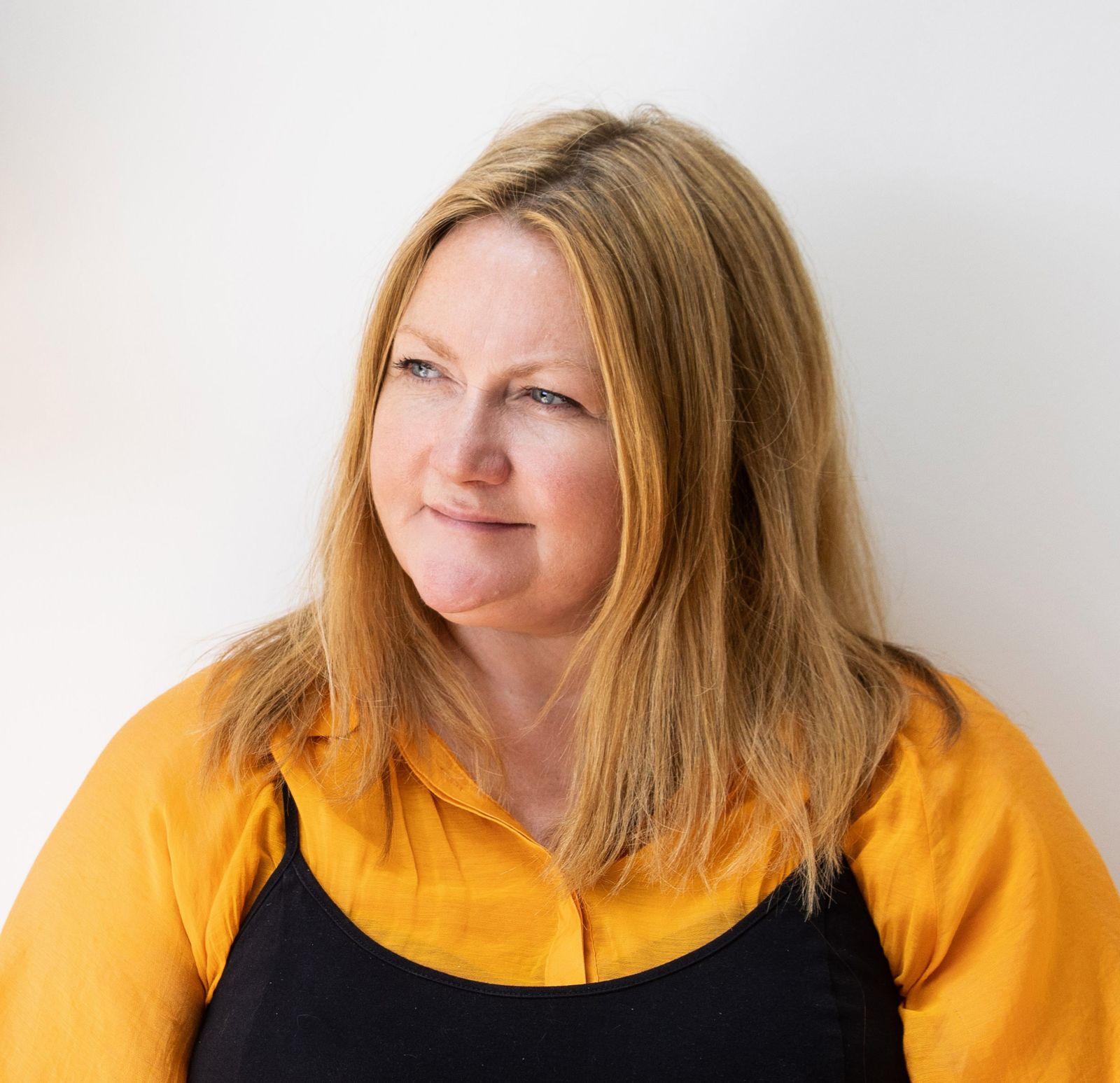
Sarah Rice
Editor
Sarah Rice is a PR specialist & digital marketing expert who has spent more than 30 years working with SEO & GEO agencies, PR agencies and brands across a huge range of sectors. She is Director of Rice PR and Director & Editor of The HR World. Earlier in her career, she was Head of Public Affairs and Press Manager at RAC and Head of Campaigns at JBP, and has also worked with DC Thomas and a number of charities.
- Director, Bristol Women in Business Charter
- Masters, Creative Writing